Our Approach
Shaping practice and policy solutions to global challenges

Our research examines intersections of extreme adversity such as poverty, war, and climate change and wellbeing through the lens of place theory, with a specific focus on the family and home.
This research builds upon our previous work with war-affected families by using participatory mixed methods, sharing research results with academic communities, practitioners and policymakers, individuals, as well as training a new cohort of student-researchers.
What makes us different?
Our work addresses global adversity across multiple levels of analysis, from the micro- to the macro, emphasizing the value of integrating both individual and collective perspectives.
At the micro-level, we document the day-to-day realities of adversity and perseverance within individuals, families, and communities. At the macro-level, we investigate how broader systems can mitigate harm and contribute to positive change.
Learn more about our research objectives and methodologies on our YouTube channel.
To deepen understandings of how diverse groups of people experience extreme adversity

To share key research findings across academic, government, and international sectors

To promote innovative, participatory, and community-based research methodologies
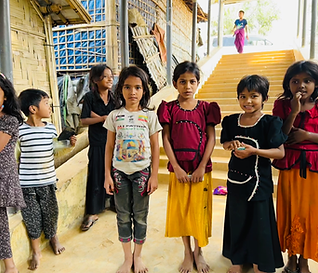
To foster dialogue on improving practices and policies that protect and support marginalized communities

To explore how systems can be strengthened to better support marginalized communities

Our Goals
Core Research Areas
Parenting in the context of war
Parents are considered one of the most important factors contributing to family wellbeing and protection from extreme hardships such as war. In contexts of war, as families face violence and are forced to leave their homes in search of safety, parenting roles may be severely challenged. Using a theoretical focus on people and place, our research examines parenting from a geographical lens and further explores family wellbeing.